- Banking marketing thrives on hyper-personalization: behavior-triggered offers convert far better than mass communications.
- Traditional and digital marketing methods combined multiply customer acquisition effectiveness by blending trust-building with instant conversion.
- Website and app tools paired with AI analytics create seamless self-service ecosystems, where chatbots handle queries instantly, calculators engage users, and predictive analytics reduce churn.
- Digitization continuously reshapes banking marketing, and banks that ignore AI personalization and multi-channel evolution risk becoming obsolete.
- Comprehensive channel mastery includes local SEO for “bank near me” searches, platform-specific social media strategies, behavioral email automation, multi-channel paid ads, and ASO for app visibility.
Bank marketing is the strategic process of promoting financial products and services such as loans, accounts, and investments to attract new customers and retain existing ones. It combines traditional and digital marketing approaches to build trust in the brand and support long-term client relationships.
With the rapid advancement of technology and AI, customer expectations in banking are shifting toward fast, digital-first experiences. According to research, 59% of bank executives reported improvements in customer satisfaction as a result of digital transformation.
Developing a clear strategy helps banks position their services effectively. Let’s take a closer look at how to find the one that works best.
Why Digital Marketing Is Essential for Banks
Marketing has become a key driver of success for banks amid digital transformation, heightened competition, and rising customer expectations. It helps not only attract and retain audiences but also build trust, boost visibility, and stimulate revenue growth. Below is a clear list of the key benefits of marketing for banks:
- ✅ Increased customer acquisition: Targeted campaigns via digital channels attract new users with personalized offers.
- ✅ Improved customer retention: Ongoing engagement, promotions, and content build loyalty and reduce churn.
- ✅ Enhanced brand visibility: Multi-channel promotion increase awareness in competitive environments.
- ✅ Higher engagement and satisfaction: Personalized experiences lead to better metrics.
- ✅ Revenue growth stimulation: Data-driven campaigns promote deposits, loans, and cross-sells.
- ✅ Reputation management: Strengthens trust and security amid regulatory oversight.
How Blending Traditional and Digital Marketing Boosts Both for Banks
Banks thrive when they mix traditional methods with digital marketing campaigns. Traditional methods build deep trust through face-to-face connections. Digital tools reach millions instantly with data-driven precision. Without strong online marketing, traditional efforts fall flat today: consumers live online, research there, and expect instant action. Together, they create a stronger promotion engine. Take a look at relevant current examples:
Community Events with QR Codes
A major bank hosts local fairs with live demos of mobile apps. Attendees scan QR codes to open accounts on the spot. Personal chats build trust, but online sign-ups seal the deal fast. Without digital, events would end with just flyers—no real conversions.
Smart Print Ads
Newspapers run ads with scannable links to personalized video offers. Readers watch a friendly branch manager on their phone, tailored to their needs. Print sparks interest, but digital personalization drives clicks and applications. No online bridge means lost leads in a mobile-first world.
Interactive Billboards
Billboards near branches feature NFC chips. Tap your phone for real-time loan rates and a chatbot. Foot traffic grows from visibility, but digital interaction turns browsers into customers instantly. Skip online elements, and high-visibility ads gather dust.
Related Content: Top Marketing Strategies for Insurance Companies
How to Build a Digital Marketing Strategy for Banks That Delivers Results
Banks operate in a high-stakes environment where customer trust, regulatory demands, and digital speed define success. A well-crafted digital marketing strategy bridges these challenges, turning data into personalized experiences that drive engagement and growth. Explore practical steps drawn from real-world campaigns, helping you create a plan that fits your bank’s goals.
Master Social Media for Audience Engagement
Social media platforms offer banks a powerful way to connect with diverse generations, from tech-savvy Gen Z to decision-making executives. Each platform serves unique demographics and content styles, requiring a multi-channel approach to maximize reach and engagement.
| Platform | Best Content Type | Primary Goal |
| Visual stories, Reels | Brand awareness, education | |
| TikTok | Short educational videos | Viral reach, financial literacy |
| Professional content | B2B leads, thought leadership | |
| Community posts, events | Customer retention, local engagement | |
| YouTube | Tutorials, explainers | Trust building, product education |
| X (Twitter) | Real-time updates | Customer service, news |
Instagram: Visual Engagement
Instagram excels at product visualization through Reels and Stories. Interactive polls gather customer insights. Shoppable posts drive direct applications.
TikTok: Algorithm Reach
TikTok’s For You Page delivers organic exposure. Short explainers build financial literacy. Duets create authentic conversations.
LinkedIn: Executive Targeting
LinkedIn reaches C-suite through job-title ads. Articles establish thought leadership. Live events generate high-value leads.
Facebook: Local Dominance
Facebook owns local groups and Marketplace. Messenger bots handle routine inquiries. Events drive branch traffic.
YouTube: Search Authority
YouTube dominates financial how-to searches. Playlists guide complex topics. Live Q&A builds trust.
X (Twitter): Real-Time Service
X provides 24/7 monitoring for complaints. Automation resolves routine queries instantly. Threads clarify policies.
Optimize SEO to Dominate Local Search Results
Local SEO captures customers at the decision moment when they search “bank near me.” Organic SEO builds authority for evergreen banking terms. Banks need both strategies working together, local drives immediate branch traffic, organic creates long-term digital authority.
The Local Search Opportunity
When customers search “checking account [neighborhood],” Google delivers a map pack prioritizing banks with complete profiles, local citations, and proximity signals. These are high-intent searchers ready to walk into branches or apply online immediately.
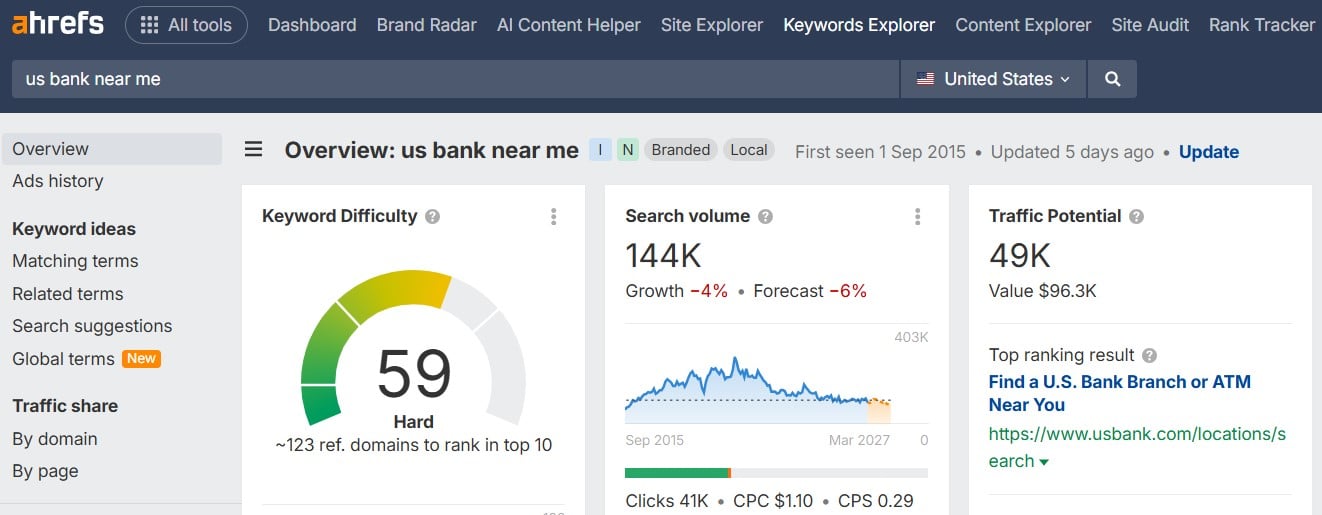
This shows high-volume local query that competitors overlook. These exact phrases drive phone calls and foot traffic when targeted properly.
Local Ranking Essentials
Complete Google Business Profiles across all branches with services listed (Zelle, mobile deposit, ATM access).
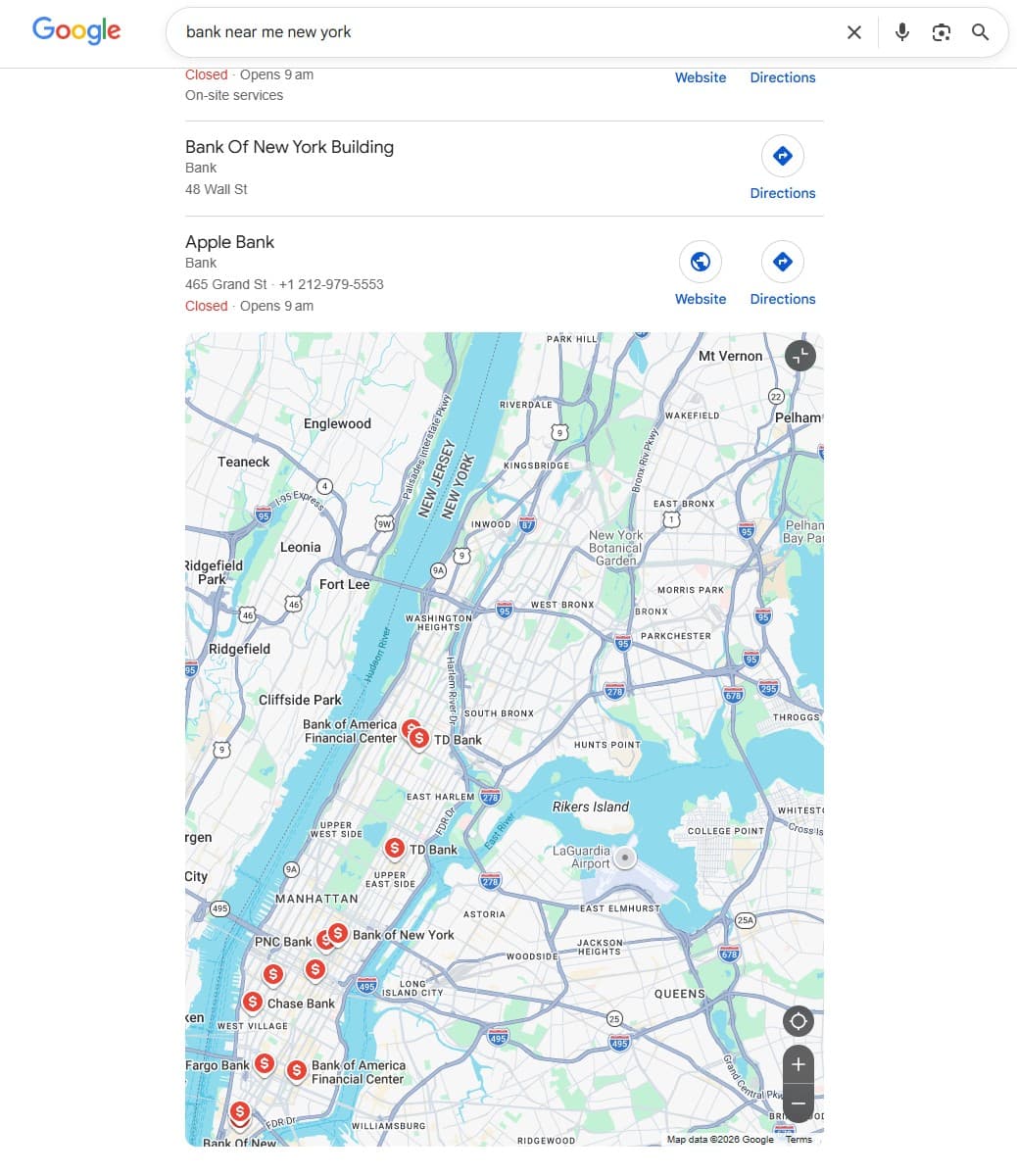
Create city-specific landing pages with embedded maps. Build local citations on Yelp, YellowPages, and chamber websites. Review generation shows customer preference signals.
Organic SEO: Authority Foundation
Target competitive terms like “best high yield savings” and “small business loans.” Build topic clusters connecting related content (mortgage guide → calculator → refinance checklist). Educational content positions banks as trusted advisors beyond transactions.
Integrated Execution
Optimize every branch profile, create neighborhood landing pages, encourage reviews.
Measurement Approach
Track local pack rankings, directional navigation clicks, and phone tracking numbers separately from organic form submissions and application starts. SEO delivers immediate ROI, organic compounds over time.
Related Content: The Complete Guide to Financial SEO
Execute Email Marketing for Loyal Retention
Email marketing drives superior retention through precision personalization and smart automation. By 2025, email already connects over 4.5 billion users worldwide, and this number is expected to approach 5 billion by 2028, highlighting its continued growth and long-term potential as a powerful communication channel.
Banks turn transactional data into loyalty-building relationships by segmenting audiences and timing messages perfectly.
Precision Audience Segmentation
Create micro-segments by life stage, asset size, transaction patterns, and product usage. High-deposit clients receive wealth management previews, mortgage shoppers get refinance alerts. Relevance drives significantly higher engagement.
Behavioral Personalization Engine
Trigger content from key moments: account inactivity, large deposits, declining balances, or recent inquiries. Dynamic content blocks auto-populate with individual rates/terms for maximum relevance.
Automated Lifecycle Journeys
Build nurture sequences triggered by customer milestones:
- Welcome series with personalized onboarding
- Value milestone updates (savings growth, rewards earned)
- Cross-sell windows based on peer behavior
- Anniversary offers with exclusive terms
Transactional Trust Builders
Enhance confirmations with smart next steps: loan payments trigger pre-approval offers. Large withdrawals prompt fraud protection tips. Transactional emails achieve unmatched open rates for daily relationship building.
This systematic approach compounds customer lifetime value while reducing acquisition costs through superior retention.

Launch Paid Ads for Targeted Acquisition
Paid advertising puts bank offers directly in front of high-intent customers—whether they’re searching for mortgage rates or scrolling social feeds as new homeowners. Smart banks prioritize paid channels for predictable acquisition, complementing organic efforts with precision targeting.
Most Effective Ad Types by Banking Goal
| Goal | Best Channel | Ad Format | Why It Converts |
| Loans/Mortgages | Search | Text Ads | Active purchase intent |
| Deposits/Savings | Social | Video/Carousel | Lifestyle connection |
| Business Banking | Display | Native Ads | Executive nurturing |
| Credit Cards | Social | Spark Ads | Mass awareness |
- Search Advertising: High-Intent Capture: Target bottom-funnel queries like “mortgage rates [city]” and long-tail searches (“business checking no fees”). Remarketing lists serve returning searchers personalized rates. Dynamic insertion matches ad copy to exact queries. Call extensions drive phone inquiries directly.
- Social Media Advertising: Awareness + Consideration: Facebook/Instagram/TikTok excel for middle-funnel audiences. Video ads show “account opening in 90 seconds.” Carousel format displays checking + savings + credit simultaneously. Lookalike audiences scale from existing high-value customers. Retargeting re-engages website abandoners.
- Display & Programmatic: Cross-Channel Nurturing: Native ads on finance sites blend seamlessly with content. YouTube mastheads reach premium audiences. Programmatic buying places ads across 100+ sites using first-party data. Sequential messaging moves prospects from awareness (video) to consideration (offer) to conversion (search).
Related Content: Expert Strategies for Financial Services PPC
Implement ASO for Mobile App Success
Banking marketing plans have to include mobile apps. Everyone has a smartphone, and App Store Optimization (ASO) and in-app marketing are the ways to reach them. Mobile banking apps are often the primary way of interacting with a brand for modern consumers.
Related Content: Top App Marketing Agencies
Developing User-Friendly Apps: Creating Mobile Apps with an Intuitive Interface for Managing Accounts and Conducting Transactions
Digital banking tools lose their value if mobile banking apps are not easy to use. Banking apps must have all the tools customers want but can’t be too complicated for the average person. Several things need to be considered:
- Intuitive Design: Ensure the app interface is clean, intuitive, and easy to navigate. Simplify the process for conducting transactions and accessing services.
- Personalization: Offer personalized features and content based on the user’s banking habits and preferences.
- Regular Updates: Continuously update the app with new features, security enhancements, and performance improvements based on user feedback and technological advancements.
In-App Marketing: Offering Personalized Promotions and Deals to Users Through the Mobile App
In-app marketing allows banks to engage with customers within the app, offering them relevant promotions and deals. Strategies include:
- Push Notifications: Use push notifications to inform users about new features, promotions, or financial tips, ensuring the content is relevant and not overly intrusive.
- In-App Offers: Provide special offers and discounts on banking products and services exclusively through the app.
- Customized Financial Insights: Offer personalized financial insights and advice based on the user’s transaction history and economic behavior.
Focusing on ASO and in-app bank marketing can ensure their mobile applications attract new users and provide ongoing value to existing customers.
Leverage Video for Compelling Storytelling
Video cuts through banking complexity with clear, human stories that build instant trust. Customers ignore dense PDFs but engage with quick demos showing exactly how products work. Strategic video placement across platforms drives engagement and conversions.
Video Types and Strategic Applications:
- Product Explainers (YouTube, Website)
Short animations simplify mortgages, business loans, and savings accounts. Show the customer journey from confusion to confidence. Perfect for search optimization and landing page conversions. - Customer Testimonials (Social Media, YouTube)
Real small business owners share how specific products solved their problems. Film in natural settings for authenticity. Use for retargeting ads and trust signals on pricing pages. - Educational Series (YouTube, LinkedIn)
Weekly lessons covering credit scores, refinancing decisions, and savings strategies. Evergreen content builds authority over time. Repurpose clips across social platforms and email campaigns. - Live Webinars (LinkedIn Live, Zoom)
Deep dives on timely topics like rate changes and economic shifts. Real-time Q&A positions your team as trusted advisors. Capture leads and create highlight clips for broader distribution. - Behind-the-Scenes (Instagram Stories, TikTok)
Quick glimpses of branch operations, fraud monitoring, and community involvement. Humanizes the institution and counters corporate stereotypes. - App Walkthroughs (YouTube Shorts, TikTok)
Fast demos of key features like check deposits and bill payments. Address common friction points. Essential for app store previews and customer onboarding. - CEO Messages (LinkedIn, YouTube)
Quarterly updates on rates, features, and market outlook. Simple single-camera setup builds executive credibility. Target C-suite audiences for business banking. - Animated Infographics (Social Media)
Motion graphics explaining compound interest, loan amortization, and budgeting basics. Highly shareable across Twitter threads, Facebook groups, and email signatures.
📈 Distribution Strategy:
- Awareness: Short-form social platforms (TikTok, Instagram Reels, YouTube Shorts)
- Consideration: Long-form educational content (YouTube, LinkedIn)
- Conversion: Testimonials and product demos (website, retargeting)
- Retention: App tutorials and educational series
Drive Authentic Reach Through Influencer Marketing
Many young consumers focus their free time on personalities they follow, and tapping into these influencers can make a brand seem more relatable. Banks can build off of these relationships to position themselves in a more authentic and favorable way.
Strategies for Effective Influencer Marketing in Banking:
- Choosing the Right Influencers: Select influencers whose followers align with the bank’s target audience.
- Content Collaboration: Work with influencers to create content that naturally integrates the bank’s services or products. This could be through informative posts, stories about personal finance management, or experiences using the bank’s services.
- Long-Term Partnerships: Instead of one-off promotions, consider establishing long-term partnerships with influencers. This allows for a more authentic and sustained engagement with their audience.
- Diverse Influencer Portfolio: Collaborate with various influencers, from financial institution experts to lifestyle bloggers, to reach different audience segments effectively.
- Measuring Impact: Use analytics to track the performance of influencer campaigns, assessing metrics such as engagement rates, conversion rates, and audience growth.
Influencer marketing is the newest version of celebrity endorsement-based marketing, but with a more modern element that makes it seem less phony.
Build a Strong Online Presence in Trusted Communities and Forums
AI search engines prioritize authentic conversations over branded content. Real customer experiences in forums and communities serve as powerful trust signals that influence search rankings and purchase decisions.
When users discuss banking services organically, AI aggregates these endorsements as genuine social proof, more credible than corporate websites or paid ads. Banks gain authority by actively participating in relevant discussions, answering questions transparently, and demonstrating expertise naturally.
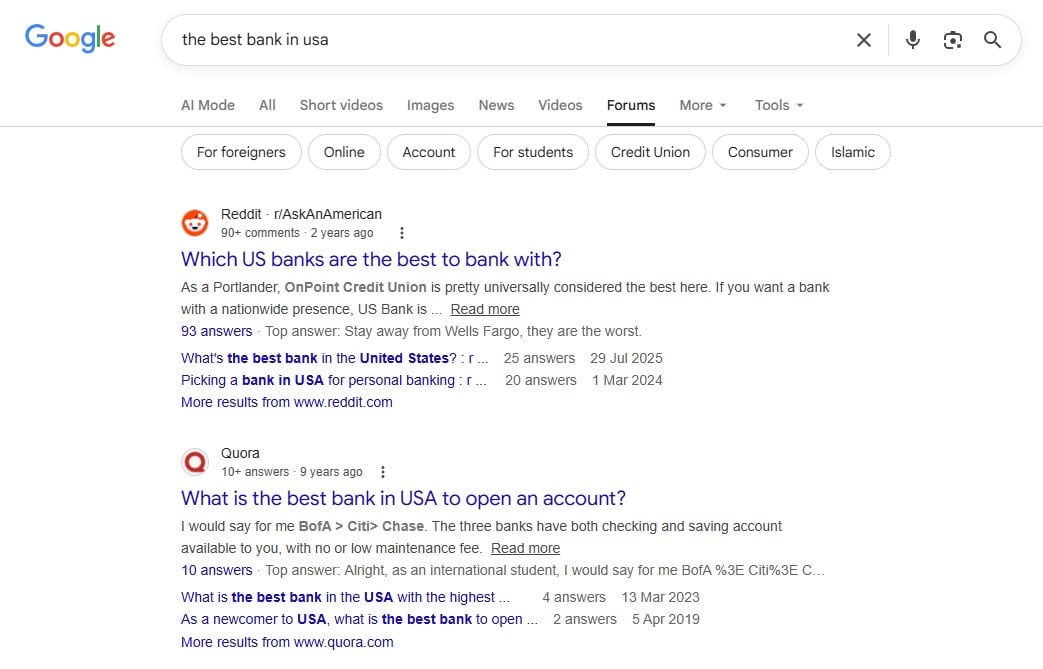
This approach builds unbuyable credibility that compounds over time. AI-driven search increasingly favors conversational authority from trusted communities, making forum participation essential for modern banking visibility.
Integrate Tools for Instant Support and Enhanced Customer Experience
Modern banking customers demand instant answers and seamless digital interactions. Smart tools integrated into websites and apps create self-service experiences that cut support costs and build loyalty through frictionless engagement.
| Tool | Platform | Primary Benefit | Implementation |
| AI Chatbots | Website/App | 24/7 instant answers | Escalation to live agents |
| Click-to-Call | Website | One-click phone connection | Local branch numbers |
| Live Chat | Website/App | Real-time human help | Business hours coverage |
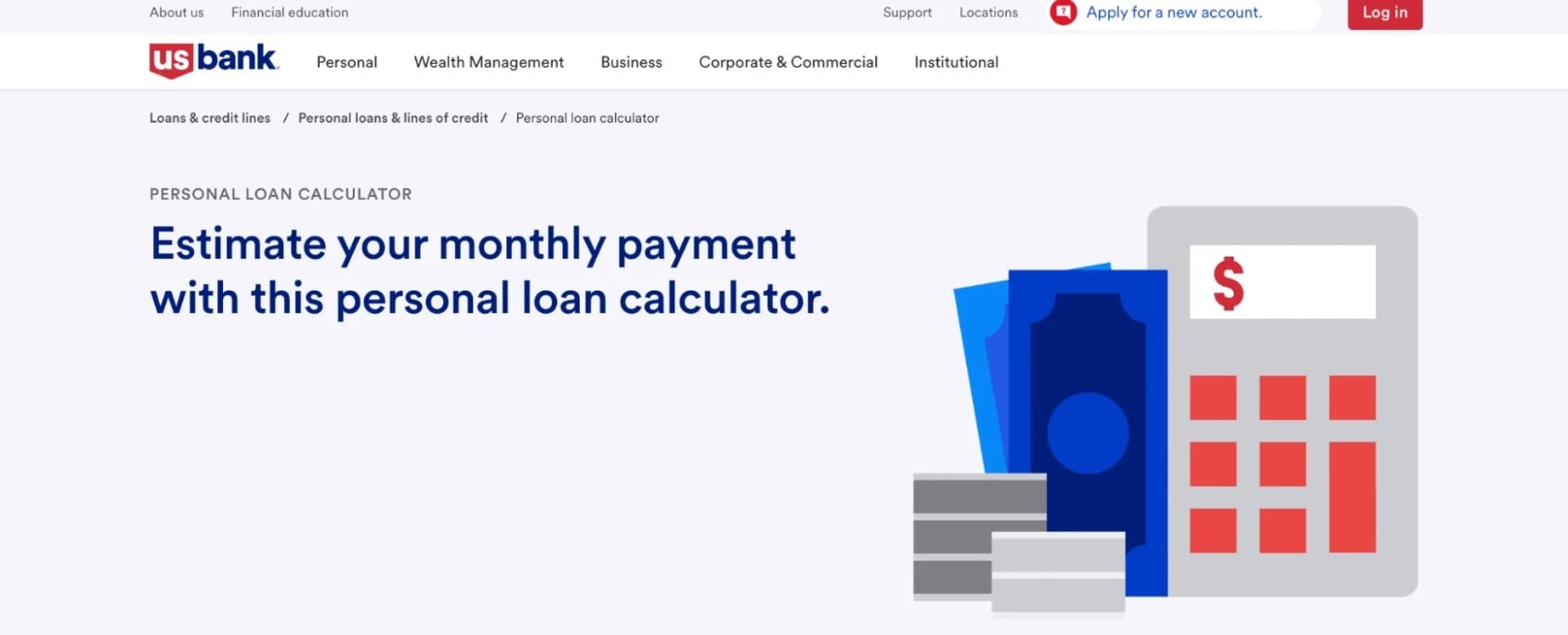
| Loan Calculators | Website | Payment scenario testing | Real-time rate integration |
| Branch Finder | Website/App | Location-based services | Map + directions |
| Document Upload | Website/App | Application pre-filling | Drag-and-drop processing |
| Rate Comparison | Website | Product transparency | Current vs competitor rates |
| Appointment Booking | Website/App | Direct scheduling | Calendar integration |
| Push Notifications | App | Contextual offers | Geo-fenced messaging |
| Voice Commands | App | Hands-free banking | Biometric authentication |
These proven tools form self-service ecosystems that handle routine inquiries instantly while connecting complex needs to experts seamlessly. See real example below showcasing these tools in action on a bank platform:
Harness AI-Powered Analytics for Precision Marketing
AI analytics transforms raw banking data into actionable customer insights, predicting behavior with unprecedented accuracy. Banks using professional AI platforms segment audiences dynamically, optimize campaigns in real-time, and personalize offers at scale.
➤ Key Applications:
- Predictive Customer Lifetime Value: Identify high-value prospects before they apply
- Churn Risk Modeling: Flag at-risk accounts for proactive retention campaigns
- Cross-sell Optimization: Match products to behavioral patterns (savings → investment)
- Campaign Performance: Real-time A/B testing across channels and creatives
- Fraud + Compliance: Monitor marketing data for regulatory adherence
🚀 Practical Value: AI cuts acquisition costs by focusing budget on proven converters while maximizing retention through preemptive interventions. Banks gain a competitive edge through data-driven decisions rather than intuition.
✅ Pro Tip: Start with customer segmentation using transaction history + demographics. Scale to predictive modeling once basic insights prove ROI.
Conclusion
Constant digitization continuously reshapes bank marketing strategies, requiring constant evolution. Banks should integrate emerging technologies like AI personalization to meet changing customer expectations across generations. Adapt these strategies now to stay ahead of digital-first competitors and capture tomorrow’s wealth transfer, or risk losing relevance in an increasingly connected financial niche.