
An effective airdrop marketing strategy brings users into an ecosystem in a way that encourages them to stay active after claiming. Instead of rewarding anyone who signs up or connects a wallet, modern crypto airdrop marketing increasingly focuses on identifying users more likely to participate beyond the initial distribution period.
Early airdrop models were good at generating attention but much weaker at keeping users involved once rewards arrived. Large numbers of participants claimed tokens and stopped interacting soon afterward. In many cases, projects ended up with impressive wallet numbers on paper but far less ongoing usage inside the protocol.
Many teams now approach airdrops differently. Instead of focusing mainly on signups, they pay closer attention to actions like governance activity, repeat usage, liquidity participation, and interaction across different products in the ecosystem.
How Airdrop Marketing Supports Long-Term User Engagement
A modern airdrop marketing campaign is no longer just about generating attention around a token launch. Many projects now use rewards to keep users active inside the ecosystem through repeat usage, community participation, and ongoing interaction with the protocol.
| User Motivation | Typical Behavior After Claim | Long-Term Outcome |
| One-time token opportunity | Claims and exits quickly | Weak retention |
| Quest farming | Completes tasks with minimal product usage | Temporary activity spike |
| Governance access | Continues interacting with protocol | Higher ecosystem alignment |
| Fee discounts or staking perks | Returns for repeat usage | Stronger retention potential |
| Reputation or progression systems | Builds status over time | Ongoing engagement |
Claim volume alone rarely says much about ecosystem health. A campaign can generate hundreds of thousands of wallet claims while producing very little meaningful activity afterward. According to DappRadar, 88% of airdropped tokens lose value within three months, largely because many recipients sell immediately instead of continuing to engage with the protocol.
For that reason, projects have started paying closer attention to signals connected to real protocol usage, including:
- Repeat transactions
- Governance participation
- Liquidity activity
- Staking duration
- Interaction across ecosystem products
This shift has changed how many reward systems operate. Task-based airdrops, loyalty mechanics, and retroactive airdrops now play a larger role because they encourage users to stay involved before and after claiming.
Projects also experiment with:
- Staking incentives that reward longer holding periods
- Governance access tied to participation that strengthens token holder engagement
- XP systems that gradually bootstrap network effects
Many projects also support these retention efforts through broader crypto social media marketing campaigns designed to keep communities active between reward cycles.
At the same time, more activity does not automatically mean stronger communities. Some ecosystems end up encouraging users to repeat low-effort actions simply because those actions make the numbers look stronger. After a while, participation often drops once rewards become smaller or harder to earn.
Explore how airdrops fit into a broader crypto marketing strategy.
| Mechanic | Immediate Impact | Longer-Term Effect | Main Tradeoff |
| Free token drop | Rapid attention spike | Weak retention | Heavy sell pressure |
| Quest systems | Faster onboarding | Better activation | Task farming risk |
| Governance rewards | Slower participation growth | Stronger ecosystem alignment | Smaller participation pool |
| Staking incentives | Longer holding periods | Higher retention potential | Can create forced retention |
| XP or loyalty systems | Repeat engagement | Habit formation over time | Incentive fatigue |
Step-by-Step Framework for Building a Successful Airdrop Marketing Strategy
The strongest airdrop marketing strategies behave more like long-term growth systems than isolated token events. Decisions around qualification rules, unlock schedules, onboarding, and reward structures all influence ecosystem trust and post-launch stability.
A successful blockchain-based strategy needs to balance acquisition, participation depth, and sustainable activity at the same time.
Define Airdrop Goals as Measurable Growth KPIs
Airdrops work best when teams connect token distribution to measurable ecosystem outcomes. Wallet claims alone rarely show whether the campaign actually strengthened protocol adoption or increased active usage.
Many projects still focus heavily on surface-level numbers because they look impressive publicly:
- Wallet registrations
- Follower spikes
- Transaction surges
- Claim volume
These metrics can create the appearance of momentum while hiding weak engagement after distribution.
The top five 2025 airdrops reached a combined peak value of $4.5 billion, which shows how large these acquisition systems have become. At that scale, teams need clearer ways to evaluate whether users’ wallets remain active once incentives slow down.
Metrics tied more closely to ecosystem health include:
- Repeat protocol usage
- Governance participation
- Staking persistence
- Liquidity duration
- Day-30 retention cohorts
| Common KPI | Why Teams Use It | Why It Often Misleads |
| Wallet claims | Fast growth signal | Doesn’t show retention |
| Follower spikes | Visible momentum | Usually temporary |
| Raw transaction count | Looks like activity | Easy to manipulate |
| Day-30 active wallets | Tracks engagement quality | Slower to grow |
| Governance participation | Shows stronger alignment | Smaller user pool |
| Liquidity duration | Indicates deeper commitment | Harder to scale quickly |
Enable Multi-Chain Participation by Default
Airdrops tied to only one chain often lose users before the onboarding process is even finished. A lot of people already split their activity across different networks and crypto wallets, so extra steps or forced bridging can quickly reduce participation.

Opening access across multiple chains usually makes the process easier for users already active in those ecosystems.
Projects also benefit from broader exposure when they support:
- Multiple chains
- Bridge integrations
- Partner protocols
- Cross-network liquidity activity
Multi-chain participation does create operational challenges, though. Fragmented liquidity, inconsistent UX between chains, and bridge trust concerns can all affect user experience if the process becomes unreliable or overly complex.
Design Behavior-Weighted Eligibility Criteria
Not every user action signals the same level of value. One-time interactions are easy to automate and heavily targeted by farming groups.
“Repeat usage over time, interaction with core product features, real capital involvement, and natural transaction behavior usually signal much stronger long-term value than one-off participation spikes. Some of the most heavily farmed signals today — including wallet count, social engagement tasks, quest completion, and ‘early user’ status — are also some of the least reliable indicators of genuine product demand.”
Vincent N, Lead Strategist at NinjaPromo
| User Behavior | Suggested Weight | Why It Matters |
| One-time bridge transaction | Low | Common farming pattern |
| Repeat protocol usage | Medium | Indicates active interest |
| Governance participation | High | Suggests ecosystem alignment |
| Long-duration liquidity provision | Very High | Strong retention indicator |
| Multi-product participation | Very High | Signals broader adoption |
| Referrals from active users | High | Improves network quality |
Segment Users Based on Behavioral Intent
Not all participants arrive with the same level of interest or commitment. Treating every wallet identically often leads to weaker engagement and less efficient reward allocation.
Intent-based targeting helps projects align incentives with likely behavior rather than distributing rewards evenly across all users. Projects that build a strong crypto community around long-term participation usually have a much easier time moving users from low-intent activity into deeper ecosystem involvement.
| User Segment | Typical Behavior Pattern | Most Effective Incentive |
| Cold users | One-off interactions, low familiarity | Simple onboarding rewards |
| Warm users | Returns occasionally, explores features | XP systems or loyalty mechanics |
| High-intent users | Governance, staking, deeper product usage | Access rights and long-term incentives |
A simple segmentation model often works well:
- Cold users need low-friction onboarding and education
- Warm users respond better to repeat engagement incentives
- High-intent users usually respond better to things like governance access, staking opportunities, and deeper access to the protocol itself
This type of segmentation gives projects a more realistic way to approach Web3 user acquisition. Instead of expecting every participant to become highly active immediately, teams can gradually move users toward stronger involvement over time.
It also helps reduce wasted rewards on low-intent activity while making it easier to identify more qualified crypto users early in the campaign.

Build AI-Assisted Sybil Detection and Wallet Scoring
Manual filtering no longer works for many of the airdrop systems operating today. Some campaigns involve hundreds of thousands of wallets, which makes automated analysis much more practical for spotting suspicious participation patterns early.
Modern systems increasingly rely on the following:
- Wallet clustering
- Behavioral timing analysis
- Activity pattern detection
- Wallet reputation scoring
- Cross-protocol interaction history
The scale of recent campaigns helps explain why. LayerZero’s 2024 airdrop distributed tokens to roughly 1.28 million wallets after extensive filtering removed large amounts of suspected farming activity. Handling participation review manually at that size would have been difficult and extremely time-consuming.
Detection systems have also improved quite a bit in recent years. A 2025 study analyzing more than 193,000 wallets reported precision, recall, and other detection metrics above 90% across multiple evaluation tests, showing how much more advanced on-chain behavior analysis has become.
At the same time, projects still need to balance abuse prevention with accessibility. Aggressive filtering systems sometimes exclude legitimate users alongside obvious airdrop farmers.
That creates a difficult operational trade-off:
- Weak filtering increases farming activity
- Overly strict filtering damages community trust
The goal is usually to reduce exploitative behavior without punishing genuine ecosystem participation.
| Wallet Pattern | What It Can Suggest | Reliability |
| Identical transaction timing | Coordinated farming | High |
| Repeated low-value bridge activity | Eligibility farming | Medium |
| No staking or governance history | Weak ecosystem commitment | Medium |
| Sudden wallet creation before snapshot | Opportunistic participation | High |
| Multi-month protocol interaction | Genuine engagement | High |
| Activity across partner ecosystems | Strong retention potential | Very High |
Structure Token Distribution for Market Stability
Distribution mechanics influence token and NFT distribution outcomes immediately after claiming. Fully unlocked rewards often create heavy sell pressure, especially when users have little reason to remain active once distribution ends.
This is one reason many projects experiment with:
- Delayed unlocks
- Partial vesting
- Phased claiming
- Activity-linked rewards
- Progressive release schedules
These systems aim to reduce token dumping while extending participation beyond the initial claim period.
Projects often see activity spike sharply during distribution periods. In many cases, usage doubles or triples temporarily before falling back toward baseline levels once incentives disappear. Weak post-claim design usually accelerates this drop-off.
“One of the biggest mistakes projects make is treating sales pressure mainly as a lockup problem. Delayed unlocks and forced staking may slow selling temporarily, but they rarely create long-term conviction on their own. Distribution models tend to work better when stronger rewards, future upside, or ecosystem access are tied to continued product usage rather than forced holding behavior.”
Vincent N, Lead Strategist at NinjaPromo
Activate Ecosystem Partnerships and Integrations
Airdrops generally perform better when participation feels connected to the broader ecosystem rather than isolated within a single project’s channels.
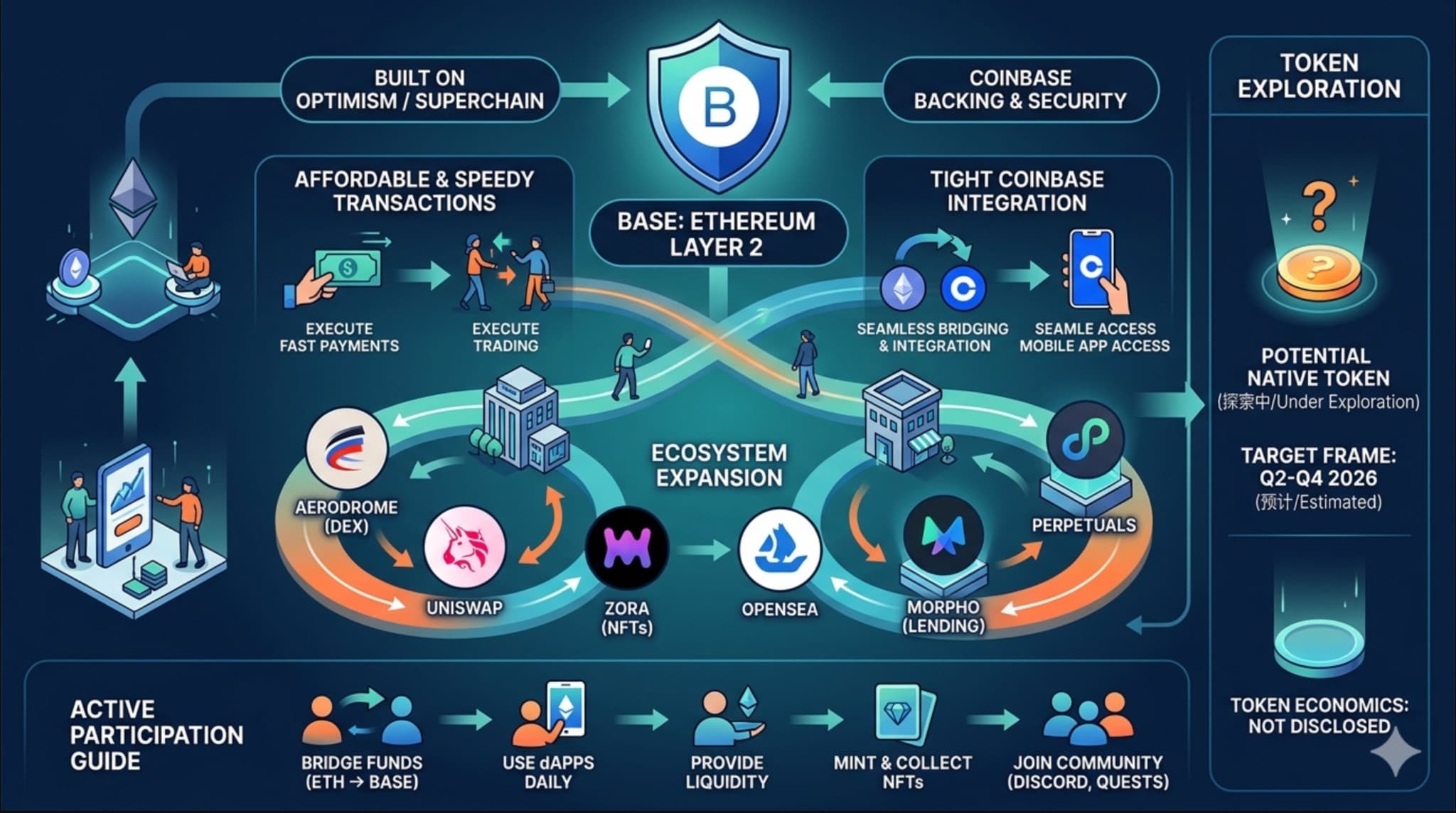
Partnerships help extend visibility through:
- Wallets
- Launchpads
- DeFi protocols
- Ecosystem collaborations
- Infrastructure integrations
Wallet integrations can also reduce onboarding friction by letting users participate through tools they already use regularly. This is one area where strong crypto wallet marketing becomes especially valuable during larger campaigns.
Community infrastructure still plays an important role as well. Many projects rely on services like Telegram and Discord community management to handle onboarding, moderation, and participation flow as campaigns scale.
Drive Post-Airdrop Engagement and Retention
The period immediately after claiming often determines whether acquisition spending was worthwhile. Many projects generate strong participation during a marketing campaign, then struggle to keep users involved once rewards become less aggressive.
This is where post-airdrop systems matter most.
Common engagement approaches include:
- Staking systems
- Governance onboarding
- Loyalty tiers
- Repeat quests
- Seasonal participation loops
- Repeated product usage
These mechanics most effectively improve user retention when they reinforce the actual value of the product rather than rewarding empty activity.
Some ecosystems, though, still inflate participation metrics through repetitive incentive loops. Users may appear “active” while contributing very little meaningful engagement to the protocol itself.
Teams usually see stronger long-term results when incentives support actions users already find useful or valuable on their own. Related communities, including many crypto Discord servers, often play a major role in keeping participants involved after the initial campaign ends.
Checklist to Prevent Abuse and Protect Airdrop Marketing Performance
Airdrop performance usually weakens when too much of the reward pool flows toward low-intent activity. Farming groups, coordinated wallet behavior, and weak qualification systems can distort campaign metrics surprisingly quickly. Teams that actively filter participation generally protect engagement quality more effectively and see healthier post-claim activity over time.
A few safeguards tend to make the biggest difference early on. The checklist below focuses on the areas most likely to affect participation quality, retention strength, and long-term campaign performance.
✅ Give more weight to repeated participation than isolated actions
Wallets returning consistently usually signal stronger intent than users completing a single eligibility task.
✅ Combine automated scoring with manual review
Automated systems catch patterns at scale, while human review helps reduce unnecessary exclusions and edge-case mistakes.
✅ Avoid fully unlocked distributions when possible
Immediate access often increases sell pressure during the first days after claiming.
✅ Watch for synchronized wallet behavior
Large clusters of wallets performing nearly identical actions within short timeframes can indicate coordinated farming activity.
✅ Track what happens after the claim window closes
Participation spikes during distribution rarely tell the full story. Post-claim activity often reveals whether the campaign attracted lasting users or short-term opportunists.
✅ Prioritize governance and liquidity activity over passive participation
These signals generally correlate more closely with qualified crypto users and help prevent airdrop farming over time.
Final Thoughts
Most projects no longer judge an airdrop marketing campaign by claim volume alone. What matters more is whether people still use the protocol once the rewards slow down and whether the activity continues without constant incentives.
A lot of teams now pay closer attention to post-claim behavior, repeat usage, and participation patterns instead of focusing mainly on short-term jumps in wallet numbers. Campaigns tied to useful actions inside the protocol generally hold up better over time than reward systems built mainly around short-term incentives.