Building a strong crypto community on platforms like Telegram and Discord is no longer optional. Crypto transactions reached $6.16 trillion in 2026 and are projected to surge to $20 trillion by 2031, highlighting the rapid expansion of the digital asset ecosystem. As competition intensifies alongside this growth, building a strong, engaged community on these platforms becomes a critical advantage.
In an industry shaped by rapid trends and high competition, engaged communities help amplify visibility, foster loyalty, and create real-time feedback loops between teams and users. Let’s explore practical steps to attract, manage, and retain an active crypto audience.
What Are Crypto Communities?
A crypto community is a decentralized and globally distributed network of individuals united by a shared interest in blockchain technology, cryptocurrencies, and Web3 innovation. It brings together a diverse mix of participants, including developers, investors, traders, and enthusiasts, all contributing different perspectives and expertise. Unlike traditional communities tied to a specific location or organization, crypto communities are borderless and continuously active.
These communities primarily operate on online platforms, where they serve as dynamic hubs for communication and collaboration. Within these spaces, members exchange knowledge, discuss market trends, support emerging projects, and build social connections.
Why Building a Crypto Community Matters
A strong crypto community is one of the most powerful assets a project can build in today’s market. Beyond simple communication, it drives trust, accelerates adoption, and creates a foundation for sustainable growth. Whether on Telegram, Discord, Reddit or other platforms, an active and engaged community strengthens a project’s position by turning users into long-term supporters.
Key advantages of building a Web3 community include:
- Direct user feedback. Community members provide real-time insights, helping teams refine features and improve the product.
- Organic crypto marketing and word-of-mouth. Engaged users actively share and promote the project, expanding reach naturally.
- Stronger trust and credibility. Open interaction increases transparency and helps establish legitimacy.
- Dedicated support channel. Users can quickly resolve issues and get answers without friction.
- Higher retention and loyalty. Active communities keep users involved and invested in the project’s success.
- Ambassador network. Loyal members often evolve into advocates who bring in new users.
- Real-time market sentiment. Communities reflect user expectations, concerns, and trends as they emerge.
- Accelerated growth effects. A strong community attracts more participants, partners, and opportunities.
- Better audience understanding. Continuous engagement reveals user needs, behaviors, and preferences.
Features of Crypto Community Management
Modern crypto communities rely on a combination of communication, moderation, and engagement tools that support structured discussions and long-term growth. Different platforms offer different functionality, but most are designed to help projects manage conversations, organize users, and maintain active participation at scale.
Groups and Servers
Community groups and servers act as the central hub for user interaction, where members can discuss the project, ask questions, and engage with updates or events. Some platforms are better suited for fast-paced communication, while others provide more advanced organization through channels, categories, and user roles.
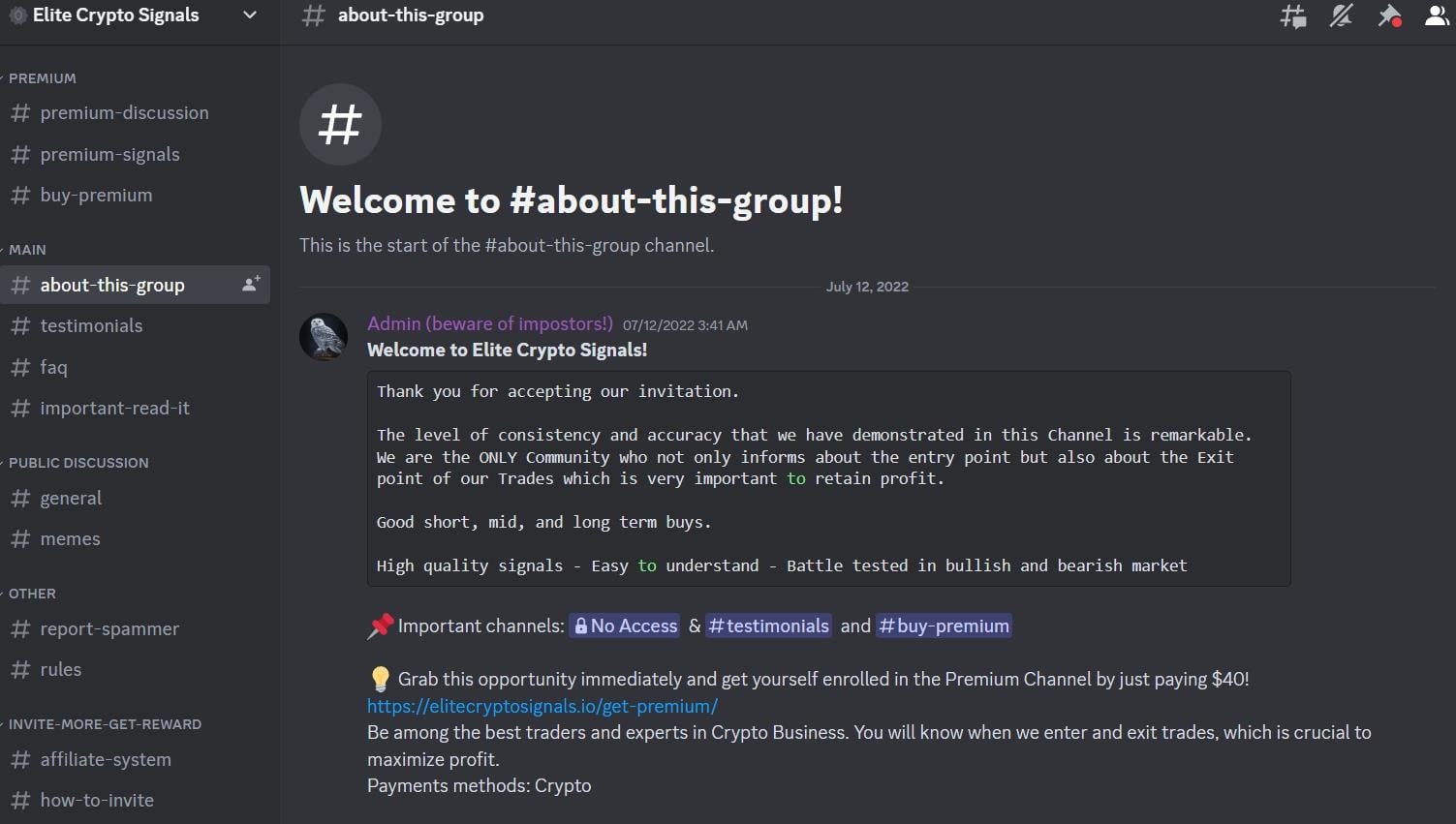
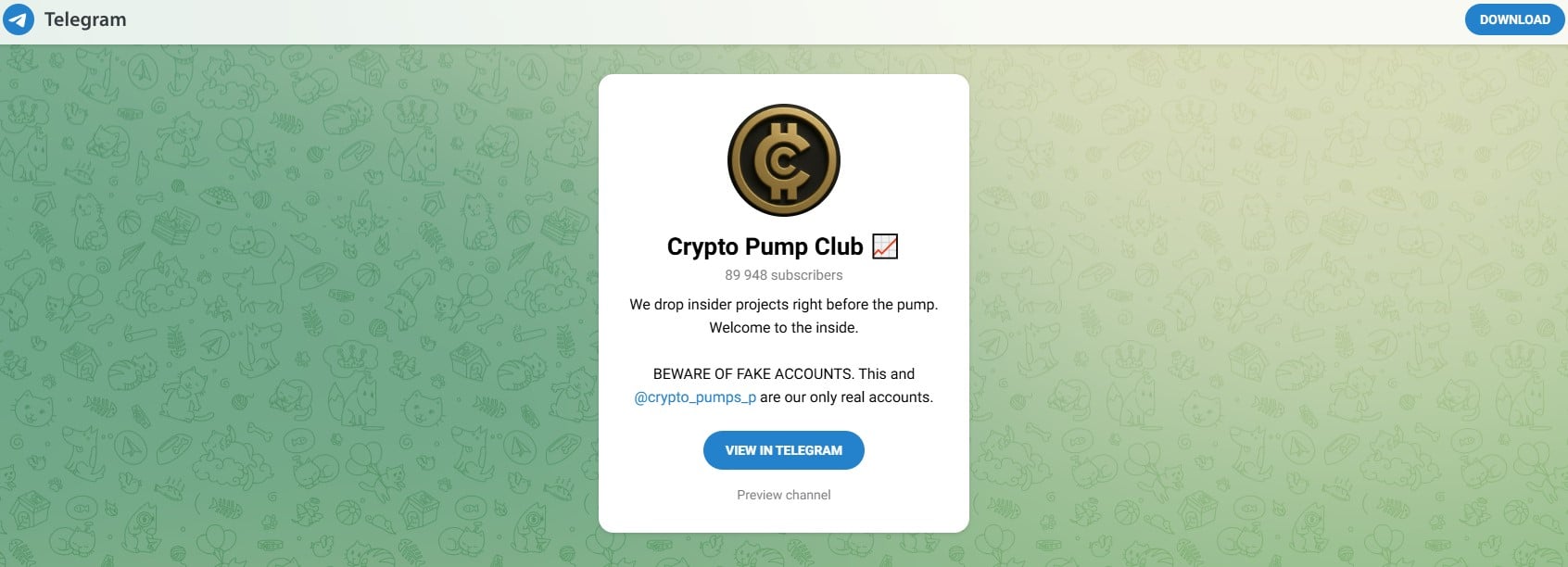
Before diving deeper, here’s how a typical community space is organized across different platforms.
Crypto Discord server example:
Crypto Telegram group example:
Channels and Announcement Feeds
Announcement channels are designed for one-way communication, making them useful for sharing updates, news, product releases, and important project information without distractions from ongoing discussions.
Bots and Automation Tools
Many community platforms support automation tools that simplify moderation, onboarding, and engagement management. Bots can welcome new members, filter spam, run polls, assign roles, and automate repetitive tasks, helping teams manage large communities more efficiently.
Private and Secure Communication
Crypto communities often require private communication spaces and controlled access to specific discussions. Permission settings, private channels, and gated sections help projects manage sensitive conversations and organize content for different member groups.
Advanced Group Features and Roles
As communities grow, organizational features become increasingly important. Role systems, pinned messages, segmented channels, threaded discussions, and moderation permissions help maintain structure and improve the overall user experience.
For example, Discord offers highly customizable role and channel systems, while Telegram provides large-scale group management features designed for high-volume community activity.
For projects that want to streamline and scale this process, professional crypto community Telegram and Discord services can help build structure and support consistent growth across all community channels.
Key Steps to Build a Strong Crypto Community
Building a strong crypto community it’s about creating an environment where users actively participate, trust the project, and stay engaged over time. The most successful Web3 brands treat community as a core growth engine rather than a support channel.
Before moving into execution, here’s a structured overview of the key elements:
| Focus Area | What It Involves | Why It Matters |
| Platforms and audience | Selecting the right mix of Telegram, Discord, Twitter, Reddit based on user behavior | Attracts the right users instead of low-quality traffic |
| Community structure | Organizing chats, channels, roles, and user flows | Improves navigation, clarity, and retention |
| Community management | Hiring experienced managers to run daily operations | Maintains engagement and protects brand reputation |
| Content strategy | Delivering consistent, relevant, and engaging content | Keeps users active between product updates |
| Engagement systems | AMAs, campaigns, gamification, and incentives | Converts passive members into active participants |
| External acquisition | Listings, directories, and partnerships | Brings continuous inflow of new users |
| Automation | Bots, moderation tools, onboarding flows | Enables scaling without losing control |
| Consistency | Regular posting and active communication | Builds trust and long-term loyalty |
Choose the Right Platforms for Your Crypto Audience
Not every crypto audience behaves the same way. Some communities prefer fast-paced discussions in Telegram, while others expect structured conversations and gated channels in Discord. The key is to meet users where they already spend their time. A strong platform mix helps attract users who are genuinely interested in your ecosystem instead of short-term incentive hunters.
Build a Clear Community Structure From Day One
A chaotic community quickly becomes inactive. Users should instantly understand where to go, what to read, and how to participate.
A well-organized crypto community usually includes:
✅ Announcement channels
✅ Support and FAQ sections
✅ Dedicated discussion rooms
✅ Regional or language-based chats
✅ Clear member roles and permissions
✅ Easy onboarding instructions
When users can navigate the space effortlessly, they stay longer and engage more confidently.
Hire a Crypto Community Manager
A strong crypto community requires consistent communication, active moderation, and ongoing engagement. Managers help maintain healthy discussions, support users, organize activities, and keep the community active between major product updates. They also play an important role in shaping the project’s reputation and building trust with users.
In many cases, teams rely on professional crypto marketing services to structure these processes and support sustainable, strategic community growth.
An effective manager should understand the Web3 space, stay engaged with market trends, and know how to manage large online communities. Strong organizational and communication skills are equally important, especially when handling multiple conversations, campaigns, and user interactions simultaneously.
Most importantly, a good community manager should genuinely understand the project and contribute to building a loyal and engaged community around it.

Create a Consistent and Valuable Content Strategy
Silence kills engagement. Even strong products lose momentum when communities stop hearing from the team. A healthy content strategy should combine education, entertainment, transparency, and updates.
Content formats that usually perform well:
| Content Type | Purpose |
| Project updates | Keep users informed |
| Educational threads | Explain complex Web3 topics |
| Memes and visuals | Increase shares and interaction |
| Market commentary | Position the brand as active and relevant |
| Community spotlights | Strengthen loyalty |
| Polls and questions | Encourage participation |
🎯 The goal is not just posting frequently, it’s creating reasons for people to return daily.
Use Engagement Systems That Reward Participation
The most active crypto communities are built around participation loops. Users stay engaged when they feel visible, rewarded, and involved.
Popular engagement tactics include:
🔥 AMA sessions with founders
🏆 Leaderboards and gamification
🎁 Giveaways and reward campaigns
🧩 Quests and community missions
🎙️ Twitter Spaces and live events
🤝 Ambassador programs
Interactive activities transform passive followers into contributors who actively promote the project.
Drive Continuous Growth Through External Acquisition
Even the most active crypto communities can lose momentum over time without a consistent flow of new users. Sustainable community growth depends not only on retaining existing members but also on continuously expanding reach through external acquisition channels.
Crypto projects often attract new audiences through influencer collaborations, partnerships with other communities, referral programs, PR campaigns, directory listings, media exposure, and participation in industry events. These strategies help strengthen overall brand awareness.
The most successful communities combine strong internal engagement with ongoing audience acquisition, creating a steady balance between retention and growth.
Stay Consistent to Build Long-Term Trust
Crypto communities react quickly to changes in communication. When updates become irregular or the team disappears for long periods, users often start losing confidence in the project. Consistent communication helps maintain trust, reduces uncertainty, and keeps the community engaged even during slower development periods or market downturns.
Here’s a simple checklist strong crypto projects usually follow to maintain long-term community trust:
- Keep announcements regular so the community always understands what is happening with the project, upcoming releases, partnerships, or ecosystem developments.
- Maintain transparent communication during setbacks or delays instead of avoiding difficult conversations.
- Follow a predictable posting schedule across community channels and social platforms.
- Maintain founders, moderators, or team members stay visible within the community through ongoing discussions, AMAs, comments, and direct interaction with users.
- Respond actively to community questions, feedback, and concerns.
Projects that communicate consistently build stronger relationships with their audience and create a more stable foundation for long-term community growth.
Conclusion
Building a strong crypto community is not a one-time effort but a continuous process that combines clear communication, structured management, and long-term engagement strategies. The most successful projects treat their communities as a core part of the product rather than just an additional marketing channel.