- Clear business goals, well defined audience segments, and a strong analytics setup form the foundation of every software marketing campaign.
- How your software integrates with tools customers already use directly influences adoption and retention, making it feel like a natural part of their workflow.
- Behavior based messaging driven by onboarding progress, feature usage, or trial stage makes communication feel personalized rather than generic.
- AI delivers real value when embedded into daily workflows to generate contextual content, interpret product signals, and adjust campaigns in real time.
- Using video formats, interviews, guest posts, and social media content together helps maintain consistent visibility across the entire customer journey.
Software products are often complex, making them difficult for customers to fully understand. That’s why effective marketing is essential. It helps companies clearly communicate their product’s value and make it easier for users to see its benefits.
The Software market continues to show strong momentum, with consistent expansion expected over the next few years. Furthermore, the revenue in this sector is projected to grow at an annual rate of 3.98% from 2025 to 2030. Rapid growth requires a well-structured approach to promotion and tailored tactics.
Companies need to keep up with new technologies and shifting customer expectations, while software products and services require constant updates and support. Smart marketing drives consistent revenue and builds lasting customer relationships. In this guide, we’ll look at how to do it the right way.
Importance of Marketing for Software Companies
So why is marketing vital? Considering the efforts and expenses it normally takes, the question is pretty reasonable. Marketing starts with identifying a business goal. If your company’s aim goes along with marketing, you will win. Your marketing goal is to reach potential customers and solve the following tasks:
- It helps communicate the value of software products.
- An extensive digital marketing campaign can directly engage with a key audience. Effective marketing establishes brand identity and targets specific markets.
- In the dynamic software industry, adapting to new technologies is vital. Ongoing updates and support create revenue streams and foster customer loyalty.
- A good start if the company is just entering the market and is small in size. A well-crafted small business marketing strategy helps software companies showcase their products’ value and reach the right audience effectively.
- It enables precise user segmentation and personalization, allowing software companies to tailor messaging based on user behavior.
- Marketing efforts support lead generation and conversion by guiding potential customers through the decision-making process with targeted messaging and optimized funnels.
Preparing for a Successful Software Marketing Strategy
Before launching any marketing strategy, software companies need a clear foundation. Solid preparation keeps budgets focused, aligns teams, and guarantees every effort moves the business forward with real impact.
Here’s a quick checklist of what to review before developing a strategy:
| Step | What to Check | Why It Matters |
| ✅ Business objectives | Define revenue targets, growth metrics, and product priorities | Aligns marketing efforts with real business outcomes |
| ✅ Target audience | Key segments, user personas, and pain points | Keeps messaging relevant |
| ✅ Competitive landscape | Analyze competitors, positioning, and gaps in the market | Helps differentiate your product and avoid common pitfalls |
| ✅ Value proposition | Clarify what makes your product unique and valuable | Strengthens communication and conversion rates |
| ✅ Marketing channels | Channels based on audience behavior and budget | Improves efficiency and reach |
| ✅ Data and tracking setup | Analytics tools and KPIs are properly configured | Enables performance measurement and optimization |
How to Build a Proven Software Marketing Strategy
Building a proven strategy requires a mix of strong fundamentals and modern marketing tools. In this section, we’ll cover everything from content and positioning to advanced AI-powered tools, so you can create a system that drives consistent growth and measurable results.
Leverage Content Marketing
Produce high-quality blog posts, whitepapers, case studies, and videos. Use them to showcase your software company’s expertise and attract potential customers. Use SEO content marketing to increase awareness about your software and brand.
So how should it be made properly?
- Content marketing needs to be made for machines to read first, otherwise humans won’t see it to read.
- It needs to be search engine optimized so that it appears on the top of the first search engine results page. (the SERP)
- You should make sure that your content has all the relevant SEO keywords.
- Use keywords the right number of times without keyword spamming.
- It is also important that the content is actually useful. You should provide some value. That shows your company, brand, and software also have value.
Such an approach helps convince people that they should do business with you. Content software marketing generates leads effectively. Software companies can use gated content. This captures prospect contact information for follow-up through email or phone. Always ask for their information before they can see the content.
Optimize for AI Discovery and Organic Search Visibility
Search visibility today goes beyond traditional rankings. Software companies need to optimize for both search engines and AI driven discovery platforms, where users increasingly find and evaluate products. Strong SEO still drives high intent traffic, but it must be combined with structured, high quality content that AI systems can interpret and surface.
To improve visibility and performance, focus on these actions:
- Build product led content around real use cases, such as comparisons, integrations, and problem solution pages tied to your software features.
- Create dedicated landing pages for each core feature, industry use case, and target segment to capture long tail and high intent queries.
- Implement structured data and clear page hierarchies so AI systems and search engines can easily understand your product, pricing, and functionality.
- Optimize for alternative discovery channels like ChatGPT style queries by answering specific questions, adding FAQs, and using natural language content.
- Develop comparison pages against competitors and alternatives to capture bottom funnel traffic with strong purchase intent.
- Continuously update content based on product updates, new features, and changing search behavior to maintain rankings and relevance.
- Strengthen domain authority through backlinks from tech publications, directories, and integration partners.
SEO in software marketing remains highly competitive and constantly evolving. Success depends on combining technical optimization with genuinely useful content that aligns with how users and AI systems discover solutions today.
Related Content: SEO for SaaS: Proven Strategies That Actually Work
Invest in Pay-Per-Click (PPC) Advertising
Paid advertising gives software companies immediate access to targeted audiences, making it one of the fastest ways to generate qualified traffic and validate market demand. Unlike organic channels, PPC allows precise control over who sees your product, when they see it, and what message they receive.
For software businesses, PPC offers several key advantages:
- Immediate visibility for high intent keywords, especially for competitive queries where organic ranking takes time.
- Precise audience targeting based on job titles, industries, company size, and user behavior across platforms like Google, LinkedIn, and Meta.
- Scalable user acquisition with predictable costs, allowing teams to increase spend on campaigns that deliver strong conversion rates.
- Full funnel coverage, from awareness campaigns to retargeting users who visited your site but did not convert.
- Fast testing of value propositions, messaging, and pricing by analyzing click through and conversion data.
- Clear performance tracking through KPIs such as cost per acquisition, conversion rate, and customer lifetime value.
To maximize results, software companies should:
- Build dedicated landing pages aligned with each ad group and user intent.
- Use retargeting to re-engage trial users, demo visitors, and abandoned sign ups.
- Run competitor and alternative keyword campaigns to capture bottom funnel demand.
- Continuously optimize creatives, bidding strategies, and audience segments based on performance data.
Incorporate AI Tools into Marketing Workflows
AI is no longer experimental in software marketing. It directly impacts how teams create content, analyze data, and scale campaigns. For such companies, AI tools reduce manual effort while improving speed, personalization, and decision making across the funnel.
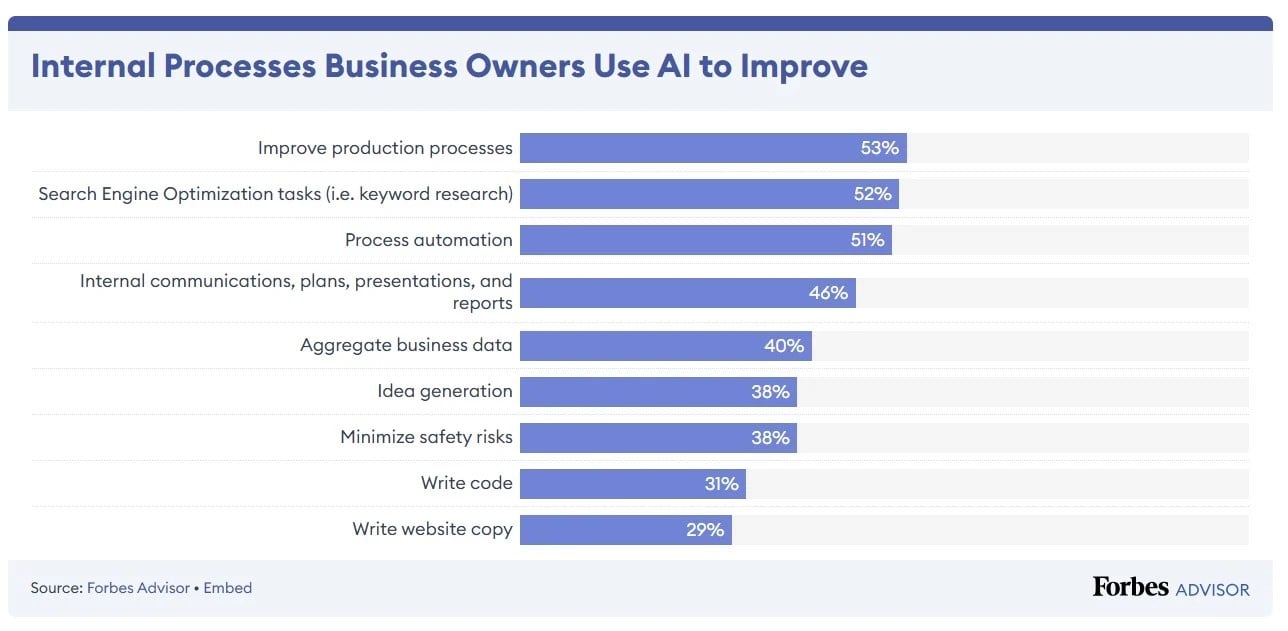
Here is how this works in practice:
Content generation and optimization ✍️
Use AI tools to produce blog posts, landing pages, ad copy, and product descriptions based on keyword clusters and user intent. Refine outputs with SEO tools to match search demand and improve rankings.
Personalization at scale 🎯
Leverage AI to dynamically adjust website content, email flows, and in app messages based on user behavior, lifecycle stage, or product usage patterns.
Predictive analytics and lead scoring 📊
Apply machine learning models to identify high value leads, forecast churn, and prioritize outreach based on likelihood to convert or retain.
Ad campaign automation 🚀
Use AI driven bidding strategies, creative testing, and audience expansion in platforms like Google Ads and Meta to improve performance with less manual input.
Chatbots and AI assistants 💬
Deploy AI powered chatbots for onboarding, support, and lead qualification, reducing response time and increasing conversion rates.
Market and competitor analysis 🔍
Automate data collection and insights generation from competitors, pricing changes, and campaign performance to react faster to market shifts.
AI adoption directly impacts key metrics such as customer acquisition cost, conversion rates, retention, and team productivity. It allows software companies to operate with more precision while scaling faster than traditional approaches.
Leverage Integrations to Expand Ecosystem Presence
Modern software products rarely win on features alone. Successful growth depends on how well a tool fits into the existing workflows of your customers, making integrations a critical competitive advantage. By connecting your platform with popular third party services, you increase product stickiness, shorten sales cycles, and expand your reach into new audience segments.
Strategic benefits of a robust integration ecosystem include:
- Improved user retention by embedding your software deep into the customer’s daily operational flow.
- Faster enterprise adoption, as B2B buyers now mandate interoperability and API access before purchase.
- Automated lead management, where form submissions trigger instant updates across marketing CRM, emails, and analytics platforms.
- Increased discoverability through app marketplaces, partner ecosystems, and community built connectors.
- Unified marketing data, which connects ad performance directly to revenue events through seamless pipeline tracking.
An effective integration strategy turns your product from a standalone tool into a central hub within the user’s tech stack. By prioritizing interoperability, software companies reduce friction for their users and create sustainable, automated growth loops that are difficult for competitors to replicate.
Use Modern Video Formats to Strengthen Brand Presence
Video content is now one of the most effective ways for software companies to increase visibility, build trust, and guide users through the decision‑making process. Instead of relying only on classic demo reels, modern marketing uses a mix of short, platform‑native formats that hook attention quickly and communicate value in fewer seconds.
Below is a table of currently relevant video formats for software brands:
| Video format | Where it works best | What it does for software marketing |
| Short demo reels | TikTok, Instagram Reels, YouTube Shorts | Show product features in 10–30 seconds, highlight one key benefit or workflow |
| Before‑after walkthroughs | LinkedIn, YouTube, website | Demonstrate how a task improves with your software versus the manual or old method |
| Explainer videos | Website homepage, onboarding, email | Introduce the product, explain core use cases, and reduce confusion for new users |
| Case study and customer stories | YouTube, LinkedIn, landing pages | Build social proof by showing real companies using your software and the results |
| Product‑in‑action screen recordings | Help center, demo pages, ads | Focus on click‑through workflows, troubleshooting, or feature tours without actors |
| Live demos and Q&A sessions | YouTube Live, Twitch, LinkedIn Live | Engage prospects in real time, answer questions, and show live troubleshooting |
| Mini tutorials and tips | YouTube Shorts, TikTok, Instagram | Break down one feature or shortcut into ultra‑short, repeatable clips |
| Teaser and feature‑drop videos | Email, social, paid ads | Announce new features, integrations, or updates with high‑energy hooks |
| “How it works” animated overviews | Website, paid ads | Use animation to simplify complex logic, architecture, or integrations |
| User‑generated and UGC‑style clips | TikTok, Twitter, challenger communities | Encourage customers to share their own workflows, reviews, or hacks |
Using these formats together creates a layered video strategy: short clips grab attention, longer demos educate, and case‑style videos drive conversion. For software companies, the key is to stay honest, align what users see in the video with the actual product, and avoid exaggerated or misleading representations.
Partnership Programs
Partnering and integrating are powerful software marketing strategies for software companies. Collaborating with complementary companies expands customer bases. Integrating with other products enhances a company’s value. For instance, merging software with hardware provides a comprehensive solution.
Evaluate partnerships and integrations for relevance and suitability. A wrong partnership or faulty integration can harm reputation and credibility. The right partnership can make you a fortune. Bill Gates and Microsoft famously partnered with IBM. That partnership made Microsoft the giant it is today.
Develop an Email Marketing Strategy
Build and nurture relationships with leads through targeted email campaigns, newsletters, and product updates. Email promotions empower companies to engage potential and existing customers effectively. Collecting email addresses from website visitors enables you to send targeted emails.

Email software marketing keeps software companies top-of-mind. Regular newsletters inform people about product releases, events, and important news. You should also integrate email into your software product or service.
Participation in Events and Conferences
Actively engage in industry events, conferences, and exhibitions to spread awareness of your product and network with potential clients and partners. Attending a marketing conferences will also allow you to stay updated on the latest trends and strategies in the industry. Trade shows are a good opportunity for marketing for software companies. They provide a chance to see what competitors are up to. They provide a good opportunity to make connections. You can meet new potential partners.
Events are also a good place to create excitement around your software marketing. They can be a great time to release new products, services and features. Trade shows offer prime marketing opportunities for software companies. They provide a platform to showcase products and connect with a targeted audience. Engaging with potential clients face-to-face can build trust and relationships. Software companies can demonstrate product features, answer questions, and gather valuable feedback. Trade shows enhance brand visibility.

Conventions and trade shows are fun. Be sure to take the time to enjoy yourself, too. You should plan and schedule to make some cons and events. Make the most of them by launching new products or services at the largest events.
Offer Free Trials or Demos
Allow potential customers to experience your software firsthand to understand its value. Shareware has been an important part of software marketing since the beginning. Offer demos or free trials. Better yet, make a functional free demo version.
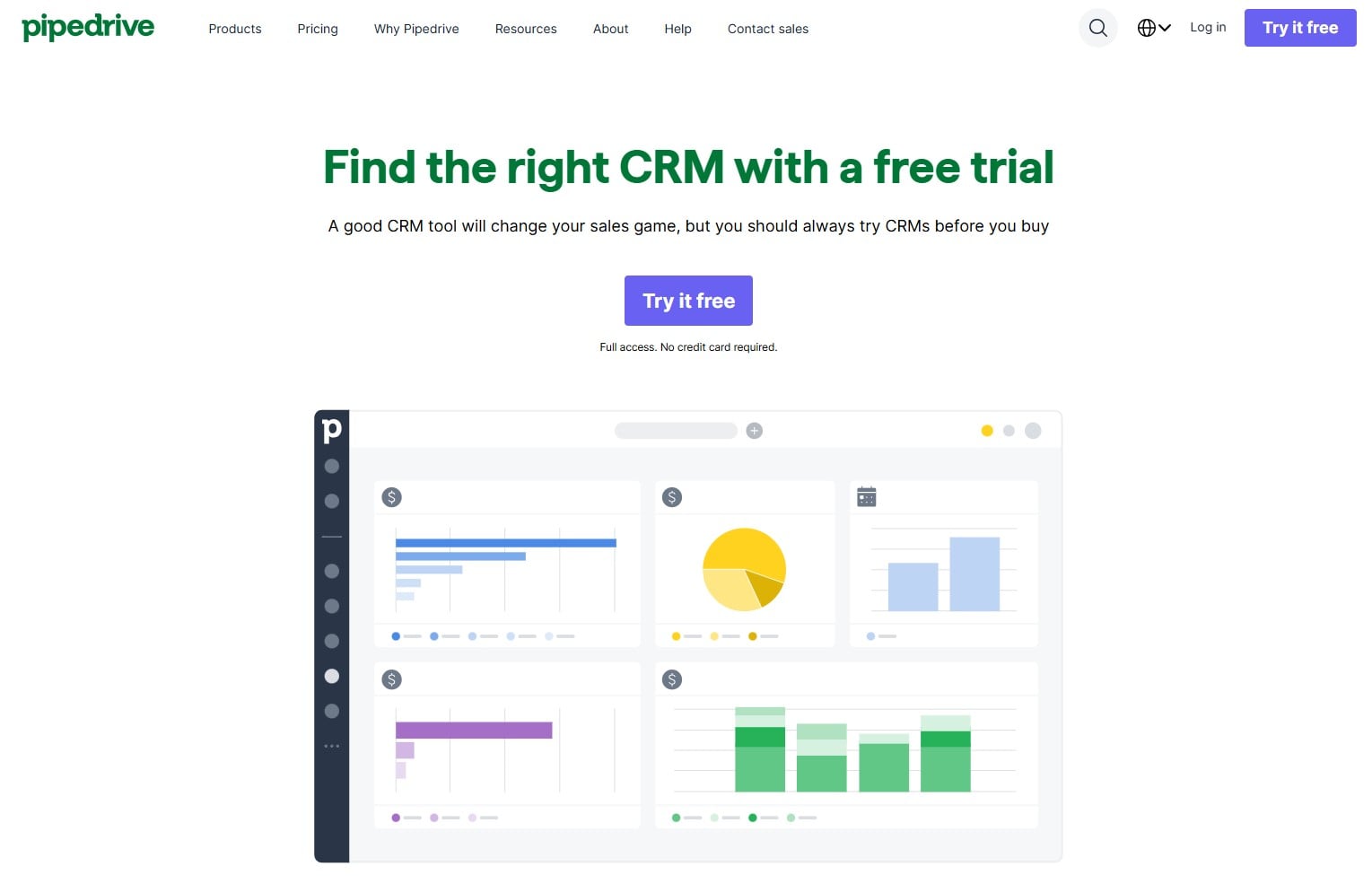
Even if it is only free for a limited time or a certain source so that it is accessible to everyone, it will benefit your product or service in the long run for the following reasons:
- Product demos can effectively showcase software features to potential customers.
- They may provide a hands-on experience for better understanding.
- You should focus on key features and benefits, highlighting what sets it apart.
- Use visuals like screenshots or videos for engagement.
Product demos effectively showcase software features to potential customers. Provide hands-on experience for better understanding. Focus on key features and benefits, highlighting what sets it apart. Use visuals like screenshots or videos for engagement.
Engage with Social Media
Social media is no longer optional for software companies, it has become a core channel for building awareness, nurturing leads and turning customers into advocates. Nowadays the most effective strategies combine platform specific content, consistent engagement and smart use of automation to stay visible while still sounding natural and relevant without becoming generic or robotic.
Here is a practical guide on how to approach three key platforms:
| Platform | Content focus | Key actions |
| Thought leadership, product updates, case studies, and hiring content | Share insights, celebrate customer wins, comment on industry news, and use LinkedIn Ads to drive demos and lead‑gen forms. | |
| X (Twitter) | News, quick tips, product hooks, and community discussions | Join relevant hashtag conversations, respond to mentions quickly, and use Twitter/X Spaces for live Q&A. |
| Visual storytelling, short demos, UGC, and behind‑the‑scenes shots | Highlight product screenshots, mini‑tutorials, and user‑generated content; use Link in Bio for site traffic. | |
| TikTok | Short‑form educational and entertaining videos for buyers | Explain features, workflow hacks, and “day‑in‑the‑life” stories; optimize for search and keywords. |
| Community building, longer updates, and support signals | Use Groups for user communities, answer questions in comments, and reinforce trust through transparency. |
Implement Referral Programs
Referral programs rely on customers loving the product. It relies on them being willing to recommend it. Encourage satisfied customers to refer others by offering incentives or rewards. Consider if colleagues had a positive experience with a service. Did that influence your choice? Without customer satisfaction, a referral program is likely to fail.
For this marketing strategy,
- Start by measuring customer satisfaction. Ensure users are happy before moving on to the next steps. Enough positive feedback is a crucial foundation.
- Decide if you’re offering a bonus for every referral or only upon successful conversions. Many companies opt for the latter to avoid unnecessary referrals. Specify eligibility criteria for earning bonuses. This ensures a controlled and meaningful referral program.
- Make sure that your terms are clear and legal.
- Choose when to ask for a referral.

Timing is a crucial factor when seeking a referral. Ask too early, and your customer may not have experienced value yet. Ask too late, and they might lose enthusiasm for your product. The best time varies, so experiment to find what works best for your company. It’s ok to ask for ratings and referrals more than once.
Webinars and Training Courses
Host webinars and training courses on using your software to attract attention and educate potential customers. Many employers like technical certifications. You can help people get jobs using your software by offering professional training courses and certificates. That way your enterprise customers know that they can hire employees qualified to use your software.
People don’t just pay to use software with money. They invest their time learning how to use it. Your marketing should include webinars and training courses so that people know how to have a good experience using your software.
Guest Posts and Interviews
Guest posts and interviews are powerful tools for software companies to build authority, expand reach, and strengthen SEO. The key is to focus on high‑quality, targeted placements rather than spreading content thinly across many sites.
Here are practical steps to make this work:
- Identify industry‑specific blogs, SaaS publications, and newsletters that your ideal customers read, and prioritize those with strong domain authority and an active audience.
- Target sites that already publish content around your product’s use cases, workflows, or pain points instead of generic tech blogs.
- Pitch angles that solve real problems for readers, such as frameworks, checklists, or step‑by‑step guides, and avoid pure promotional topics.
- Write in‑depth, original content that provides clear value, with examples that demonstrate how your software or approach improves workflows.
- Include one or two contextual backlinks to high‑value pages such as pricing, documentation, comparison, or signup, using natural anchor text.
- Use lead magnets in your guest posts, such as downloadable templates or free checklists, linked to a dedicated landing page to capture contacts.
- Turn podcast or webinar interviews into multiple assets, including short video clips, blog summaries, and LinkedIn posts with key quotes and timestamps.
- Monitor referral traffic, backlink quality, and lead volume from each piece, and double down on outlets that generate real engagement and conversions.
When done consistently, guest posts and interviews help software companies establish subject‑matter expertise, generate high‑quality backlinks, and attract qualified traffic that is already interested in your niche.
Collaborate with Influencers or Thought Leaders
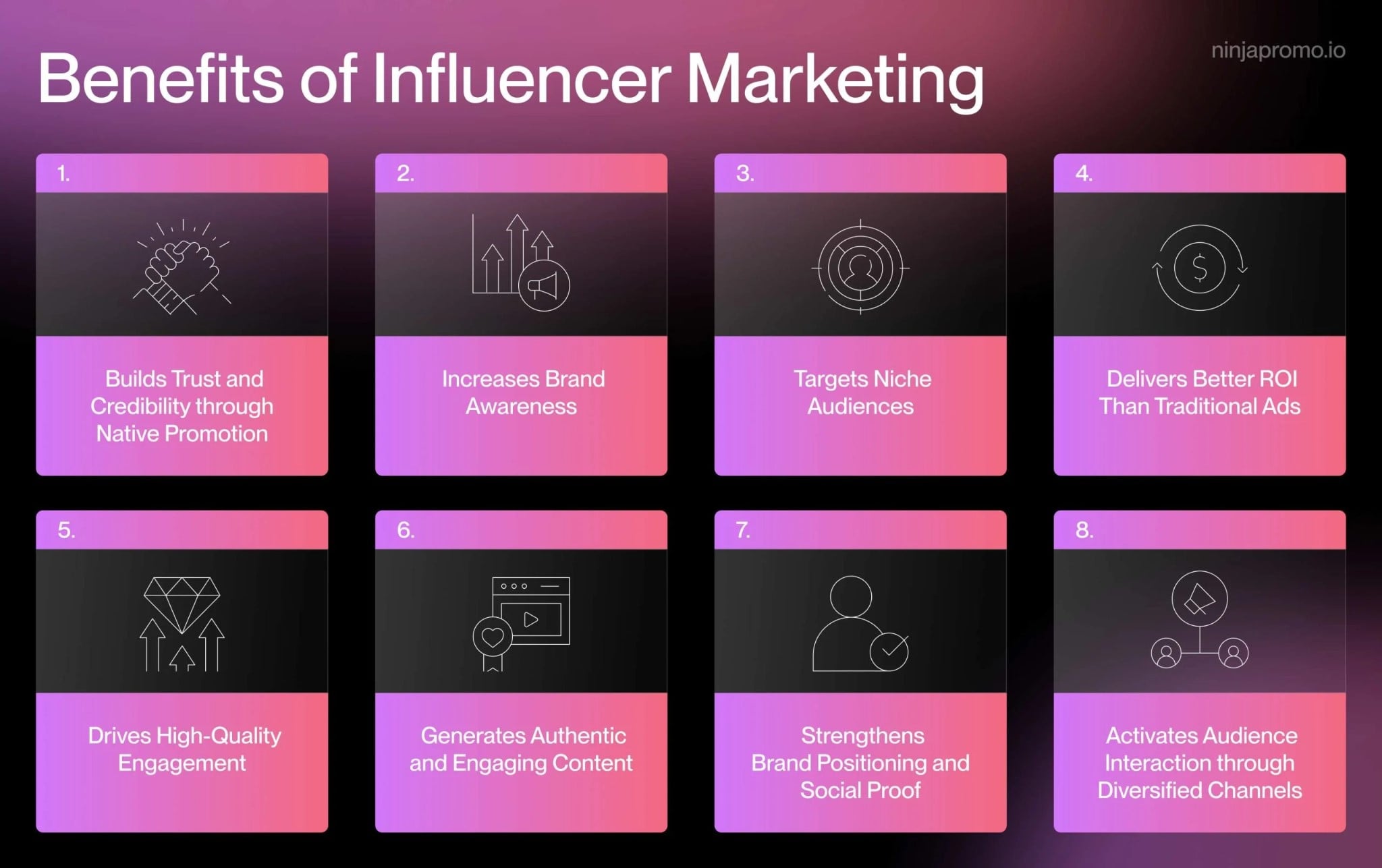
Partner with industry experts who can endorse or promote your software to their audiences. Business leaders and decision-makers seek expertise when evaluating new technologies. Tech companies partner with influencers to enhance their credibility and social media reach. In a highly competitive market, companies struggle to be seen.
Tech buyers are becoming smarter and desensitized to daily software marketing. They look to trusted influencers to share experiences with enterprise solutions. This creates an opportunity for companies to leverage influencers for their software marketing. When they have enough of an audience to be called influencers, influencers are often looking to turn their popularity into money.
Offer Limited-Time Promotions or Discounts
Create a sense of urgency by offering discounts for a limited time. Incentivize purchase decisions with exclusive deals. This can be one of the more effective software marketing strategies. It is very good for promotion to offer limited discounts on subscriptions.
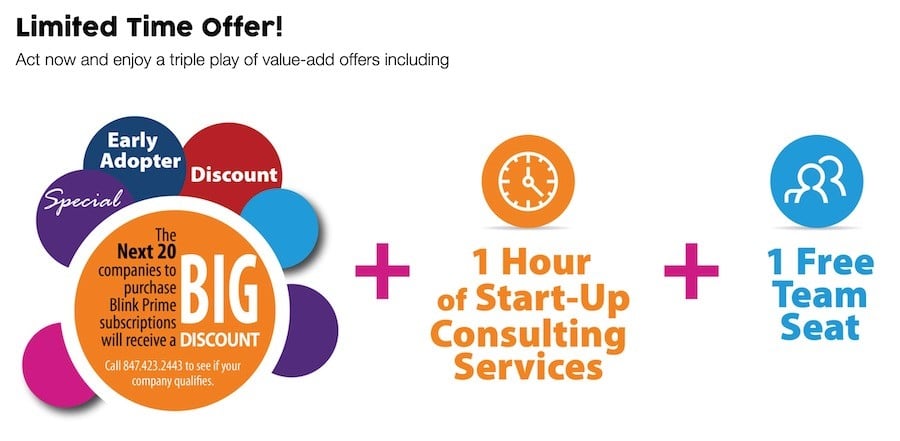
This software marketing strategy applies a certain amount of sales pressure on customers. By making such limited-time offers, you can increase conversations. You set them up to pay the full price after they invest their time. You can also increase loyalty and daily use by offering small per diem rewards that expire if they are not collected.
In marketing for software companies, promotional rewards don’t have to cost much. They can be digital items. They could be small quality of life features. There can be a little more time added to a subscription.
Related Content: Proven SaaS Marketing Strategies to Drive Growth
Conclusion
Software companies today cannot rely on product‑led growth alone. Buyers search, compare, and decide in environments shaped by AI, algorithms, and social proof, so marketing must be where your product meets those signals on purpose. Combine classic methods with advanced ones and you will be able to take your software product to the next level.